

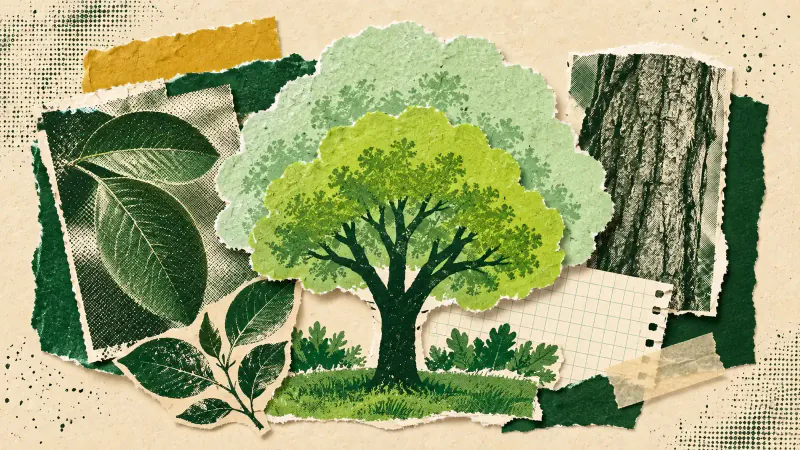
Choosing trees for small gardens starts with the space an adult tree will need. A young specimen can look manageable in its nursery pot while its eventual crown belongs in a much larger garden. Check the exact tree's expected height and spread, then compare them with your measured plot before buying.
Start with one proposed tree in ordinary garden soil. This is a selection exercise; growing a tree permanently in a container needs a separate care plan. You do not need a long shopping list. Two plausible candidates, with the unanswered questions beside them, make a more useful nursery visit.
Give the tree a clear job
Write down what you want to enjoy: blossom outside the kitchen, summer shade beside an existing seat, or interesting branches through winter. Choose the main reason first. It makes later compromises easier to see.
Stand at the window or seat where that benefit should matter. Take an ordinary photograph and mark the proposed trunk position on a copy. Keep the original too, so you can compare your idea with the space as it is.
For example, if the aim is blossom from a kitchen window, write that on your notes. A catalogue photograph taken underneath a flowering canopy cannot tell you whether you would see those flowers from indoors. Bring the question back to your own viewpoint before making a shortlist.
Put the adult canopy on paper
Find the expected mature height and spread for the exact named tree. The RHS guide to trees for smaller gardens recommends plotting mature size on a scale plan and considering neighbouring gardens when assessing shade.
If your drawing is still a guess, use the garden measuring guide first. On a separate sheet, draw a circle representing the candidate's stated spread at the same scale. Lay it over the plan and move it between possible positions. This is a rough comparison of space, not a prediction of the tree's exact shape.
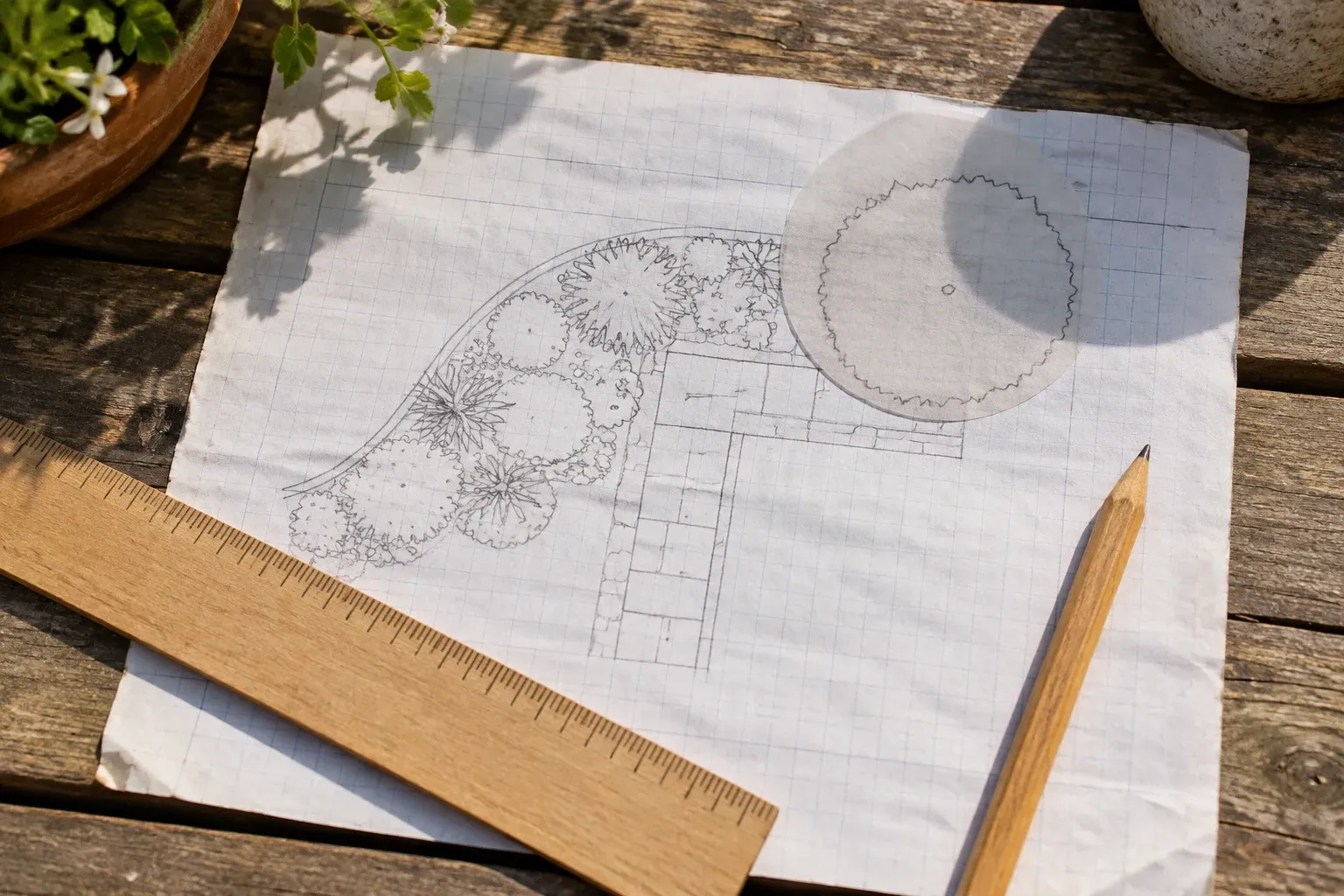
Keep the circles for both candidates. Write their names and the source of each size estimate in your notebook. If two reliable descriptions disagree, take both to the nursery instead of quietly choosing the smaller figure.
Check the growing place
Record the light you have observed, exposed wind, soil information and any recurring wetness. The University of Minnesota's tree guidance stresses matching a tree to its soil, moisture, light and climate. Ask for locally suitable choices rather than assuming a tree photographed elsewhere will suit your garden.
Look beyond the canopy drawing. RHS guidance on trees near buildings explains that roots can extend beyond the crown and that building risk depends on the circumstances. Most trees near buildings cause no damage. Where the position raises questions about buildings, drains or paving, have the actual site assessed before settling on it.
Add known overhead and underground services to your questions, and check their locations through the appropriate local service before digging. A circle on paper cannot resolve what is below ground.
Compare more than the flowers
Ask the nursery what each candidate looks like in leaf and when bare, when it flowers, and whether it carries fruit. Then add a short note about which of those features you would see from your chosen viewpoint. If bark interests you, look at a mature specimen up close when you can.
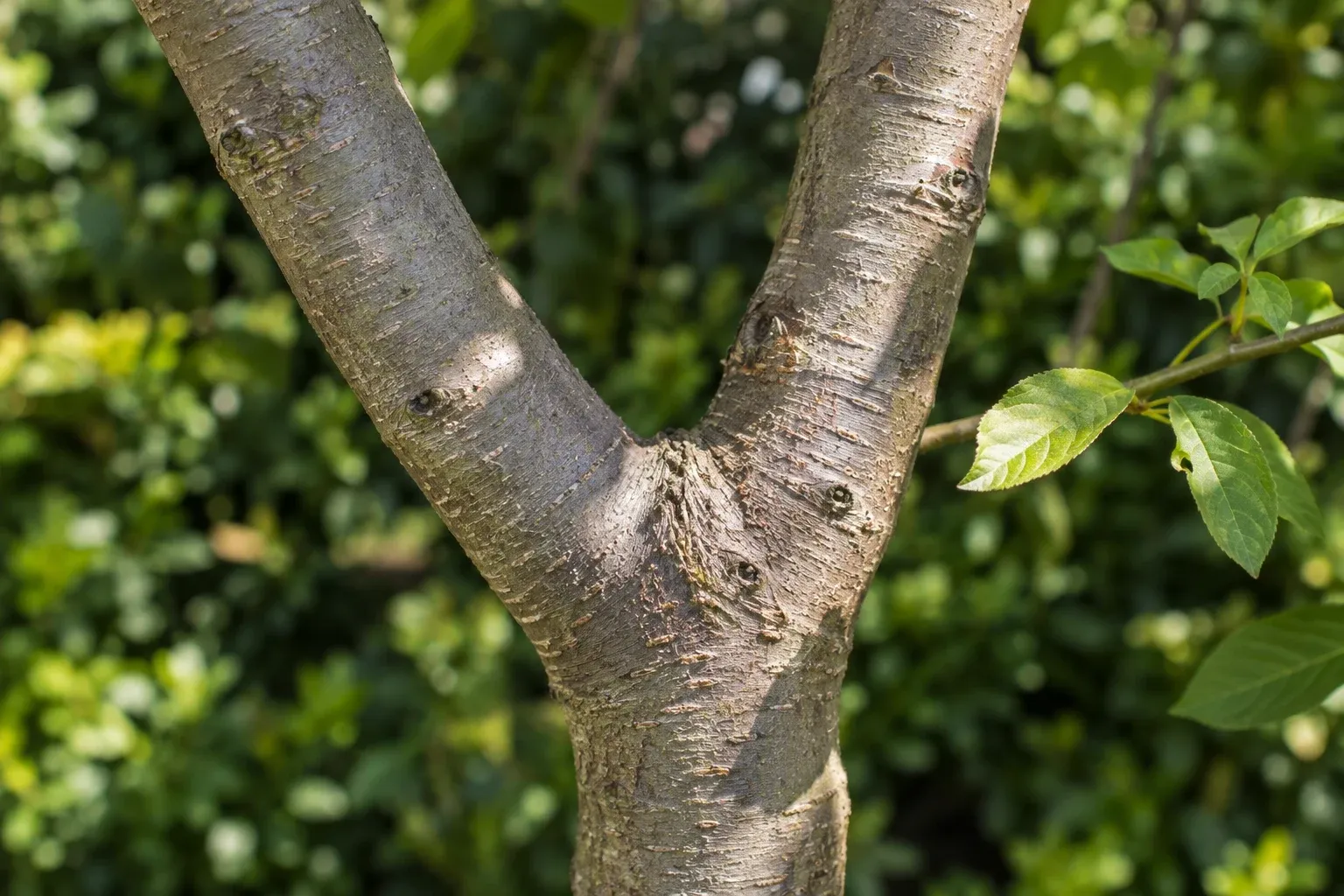
Choose a size you can accommodate. The RHS introduction to small garden trees favours naturally compact trees over trying to contain vigorous growth through pruning. If a trained form appeals, ask what regular work keeps that particular shape.
Take the shortlist to the nursery
Bring your plan, the original photo and your candidate names. Ask staff to confirm the exact cultivar and inspect the available tree with you. The University of Maryland's selection guide advises checking labels and examining the roots, trunk and branches before purchase.
Gardenly can help explore the broad appearance of planting around your garden. Keep your tree choices in the written brief: an AI image cannot establish cultivar identity, mature dimensions or underground space. The plant-choice guide explains how to carry a visual idea into that practical conversation.
Before ordering, put the confirmed name beside its intended position and note the planting and aftercare advice you have been given. Leave any unresolved question on the page until someone has answered it.