

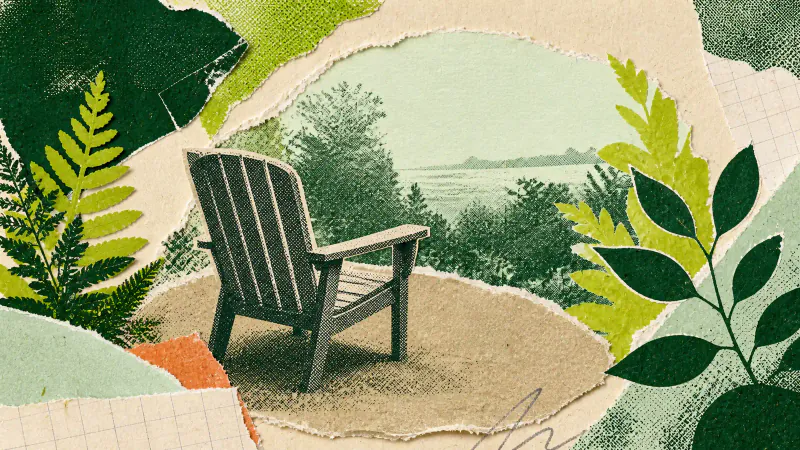
The most useful garden seating ideas start with what you want to look at when you sit down. Try a chair in two possible places, at the hour you normally go outside. Compare the view and light, then check that you can reach the seat and use it comfortably before choosing permanent furniture.
A chair beside the back door might be right for a quick coffee. A place further into the garden could make an evening outside feel quite different. Neither wins because it looks better on a plan. The better place is the one you want to stay in.
Compare two views at sitting height
Carry an existing outdoor chair to your first candidate position. Sit normally, without leaning forward to improve the view. Notice where your eyes settle: on a planted bed, a tree beyond the boundary, the shed door or the backs of the other chairs.
Turn the chair before moving it. A slight change of direction may bring a planted edge into view while leaving enough room beside you for someone else. For two seats, check both positions. A good outlook for one person should not leave the other staring at a fence.
Repeat this in the second place and take a photograph from each seat. Write one reason to keep each position and one reason to reject it. Perhaps the first has a longer view but feels detached from the house; the second is easier to reach but looks straight at the bins. That is a useful comparison, even without a clear winner yet.
Visit at the time you will actually sit there
A sunny patch at lunchtime tells you little if you only use the garden after work. Bring your coffee or book outside at the usual time and stay long enough to notice whether the light is comfortable. Check glare on the page, shade across your face and whether you keep turning away from the wind.
Make another visit on a different day. The RHS guide to getting to know your garden recommends observing sun through the day and across the seasons before settling the design. A late-summer test is useful evidence, but it does not describe spring.
If two places suit different hours, you may only need one movable chair. Try moving it between them before planning a second permanent seating area.
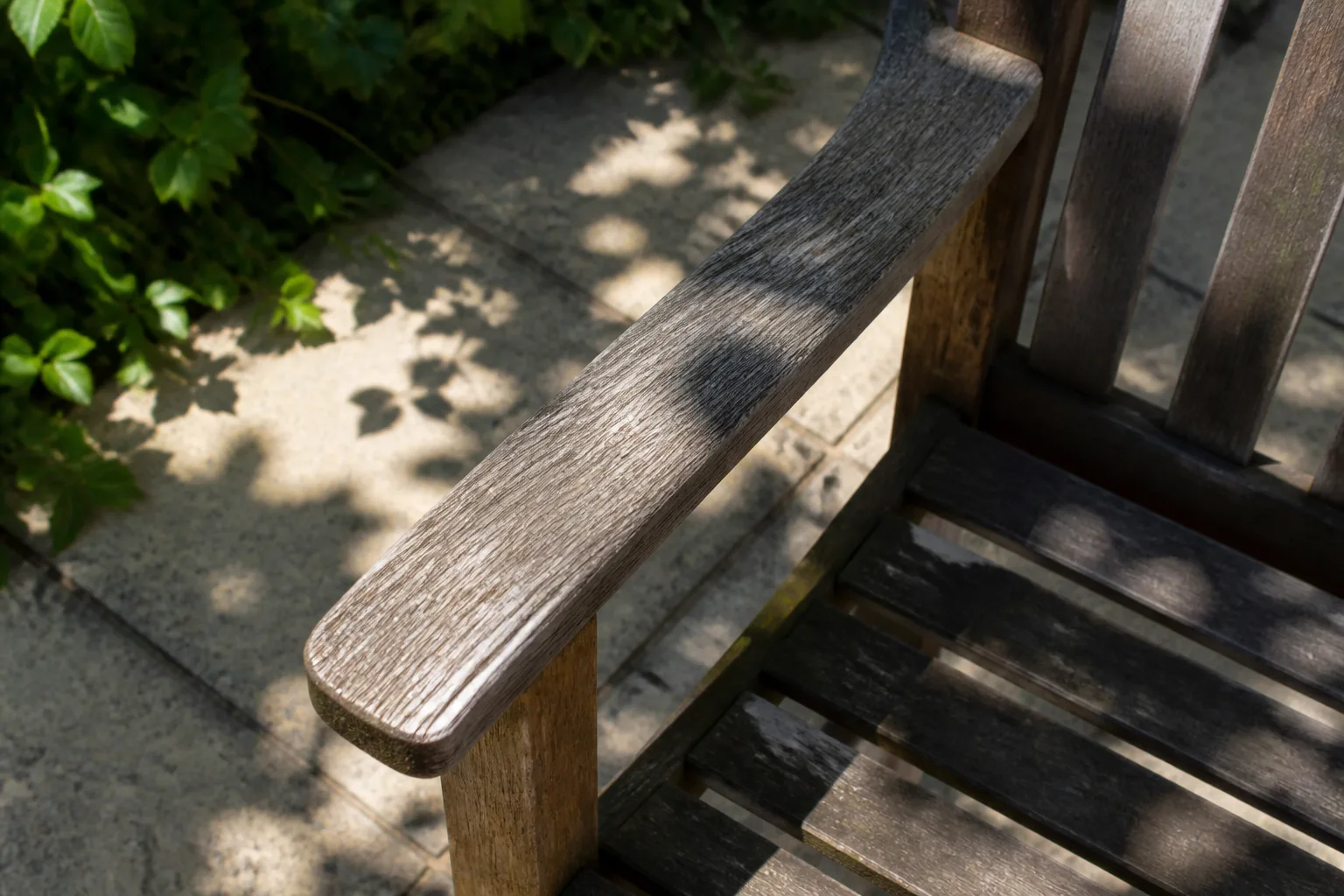
Give the preferred place a normal day's test
Walk to the seat carrying what you actually take outside. Sit down, stretch your feet and get up again. Ask someone to pass while you remain seated. Keep doors and gates in their normal positions during the test.
Mark the ground used by those movements, not just the chair legs. Check that the feet rest securely and that standing up does not mean stepping into a bed. If the place only works with every chair tucked away, move the seating or reduce it.
Once the location works, our guide to patio furniture for small spaces covers furniture shapes, folding and storage. Those choices come after this test; a different chair cannot fix an approach you dislike using.
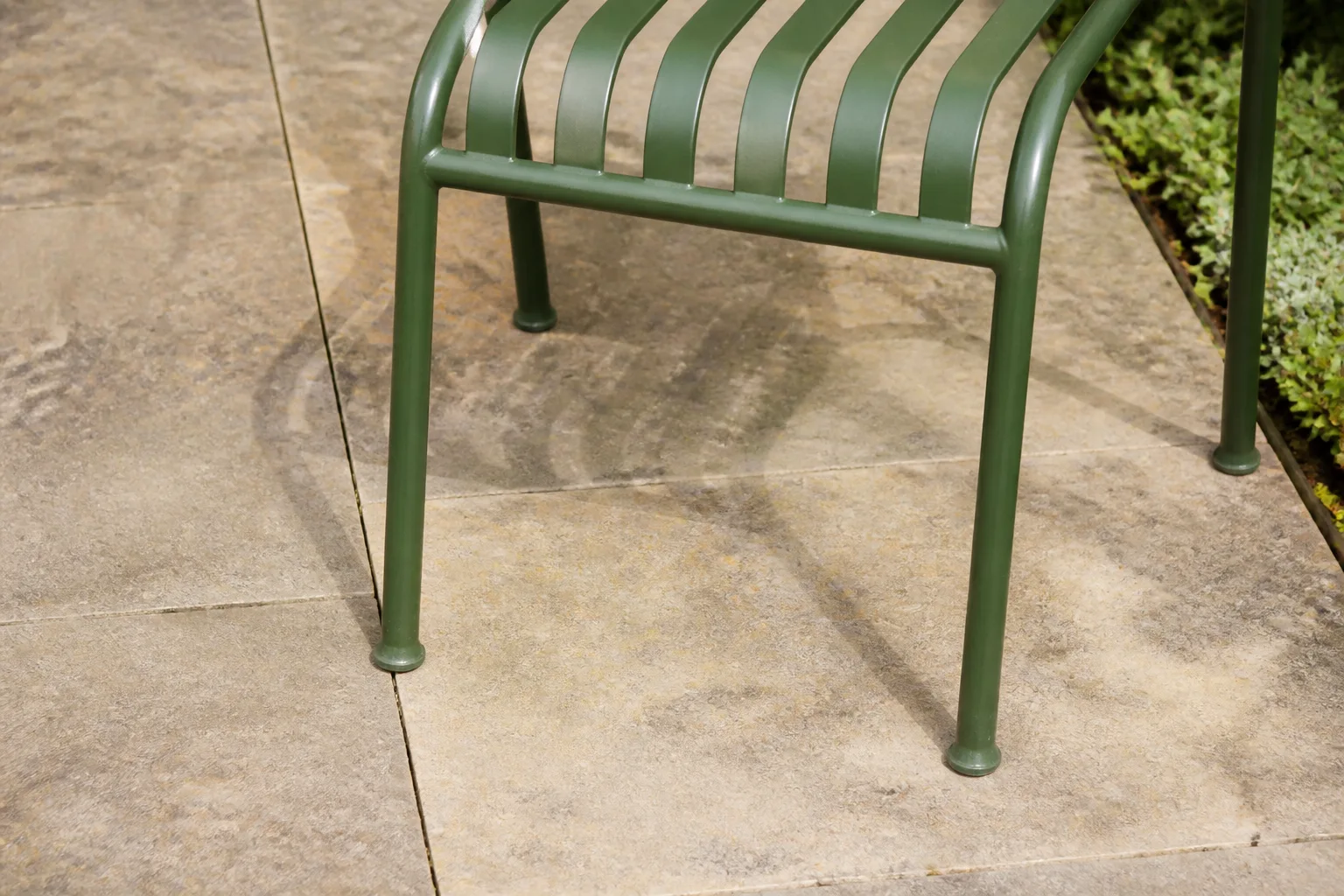
Plant around the view you chose
Place a few existing pots beside the seat to test a planting edge. Keep the central view open and bring foliage into its margins. A nearby leaf shape gives you something to notice when you look up from a book; the longer view gives your eyes somewhere to go beyond it.
Check the arrangement while seated, because a pot that looks low when you stand can fill the whole view from a chair. Leave room for elbows and a watering can. Choose any new plants for the actual light, soil and available mature space, with advice from a local nursery where needed.
If unwanted overlooking is the problem, use our separate garden privacy guide to decide where screening belongs. Adding tall plants all around the seat can hide the very outlook you chose it for.
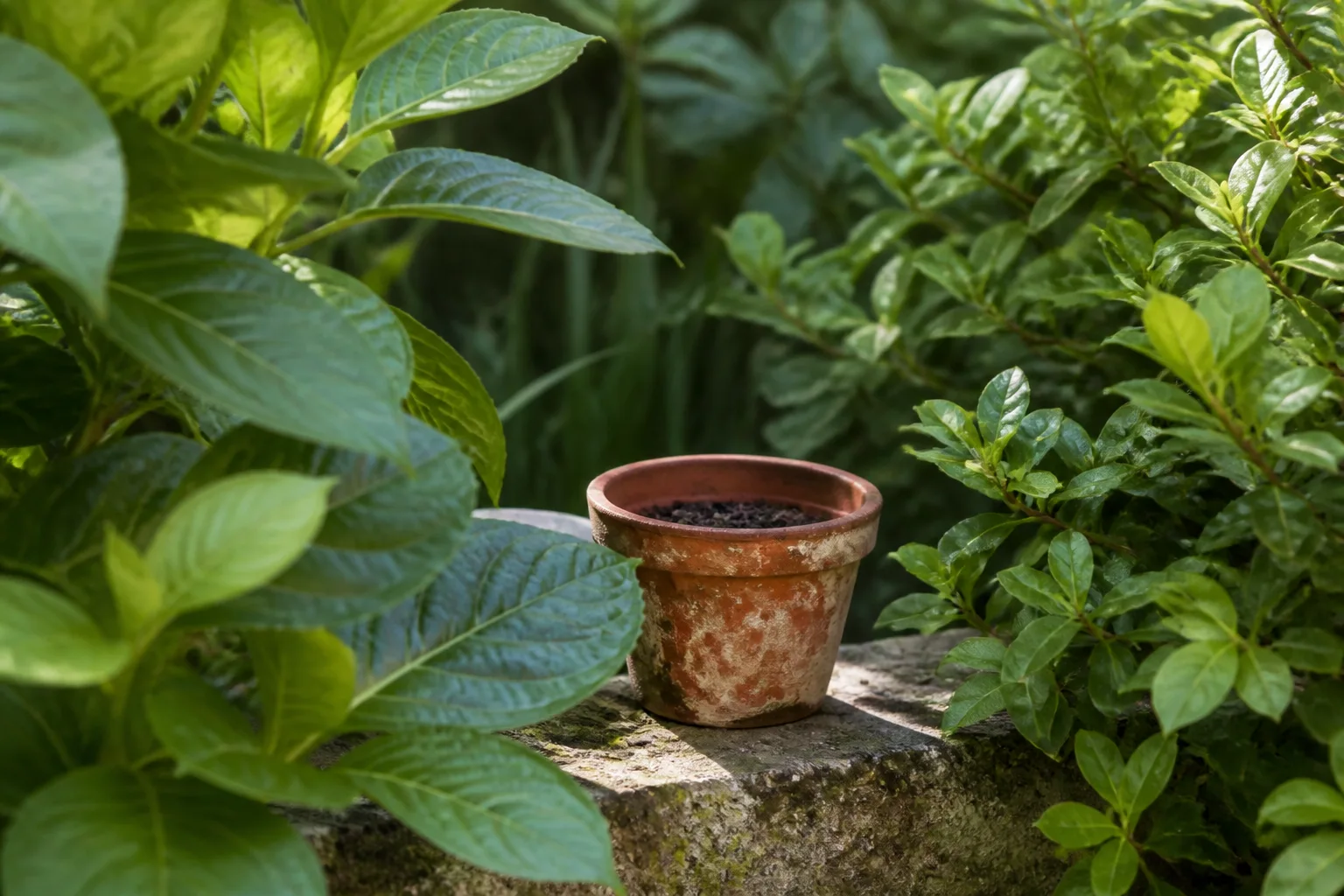
Preview the planting, then return to the chair
Use a photo from the preferred seat to compare a planting direction in Gardenly. Choose a style and add the photo; the app redraws the scene under a fixed instruction. It does not let you position individual chairs on a measured plan.
The model is instructed to preserve buildings, fences, paving, camera position and lighting. That is an instruction, not a guarantee. Compare the result with your original before judging the balance of foliage and open view. Keep your daylight notes and ground measurements separate from the image.
Before buying, put the chair back in the marked place for one more ordinary evening. Notice whether you still want to turn it.