

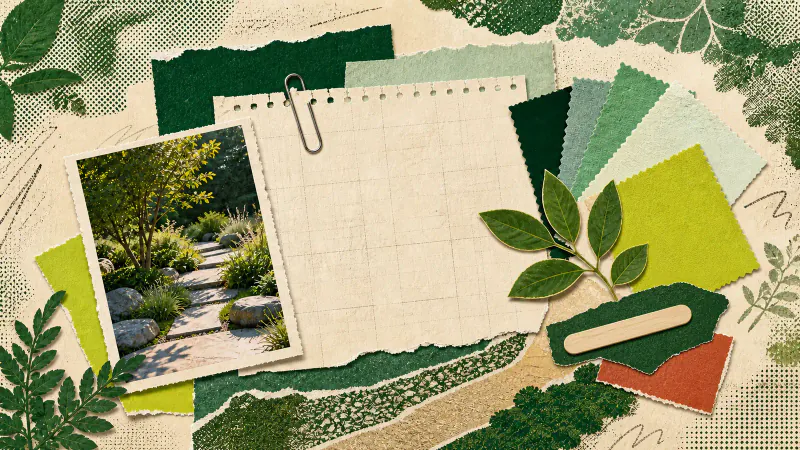
The most useful questions to ask a landscaper are about what should stay, which site conditions could shape the work, what the proposal includes, and how much maintenance you actually want. Bring the questions with a short brief and a clear picture of your own yard. The first meeting can then produce decisions instead of a tour of saved gardens.
There is no need to arrive with a finished design. Explain how the space is used, what is not working and which parts already earn their keep. A landscaper can respond to a real place and a clear priority far more usefully than to "make it nicer."
What should stay, and what can change?
Start with the parts you already value: a tree that gives afternoon shade, a path that works, a view from the kitchen or a corner where people naturally sit. Then name the problem that prompted the project. Perhaps the route gets muddy, the table has no comfortable home or the planting leaves the main window looking at a fence.
Ask which existing features are worth keeping and which would limit the new layout. Retaining a sound surface or established plant can give the design a useful starting point, but keeping everything by default can leave the original problem untouched. If you are unsure, label each item "keep," "change" or "open to advice" rather than pretending every decision is final.
Which site conditions need checking first?
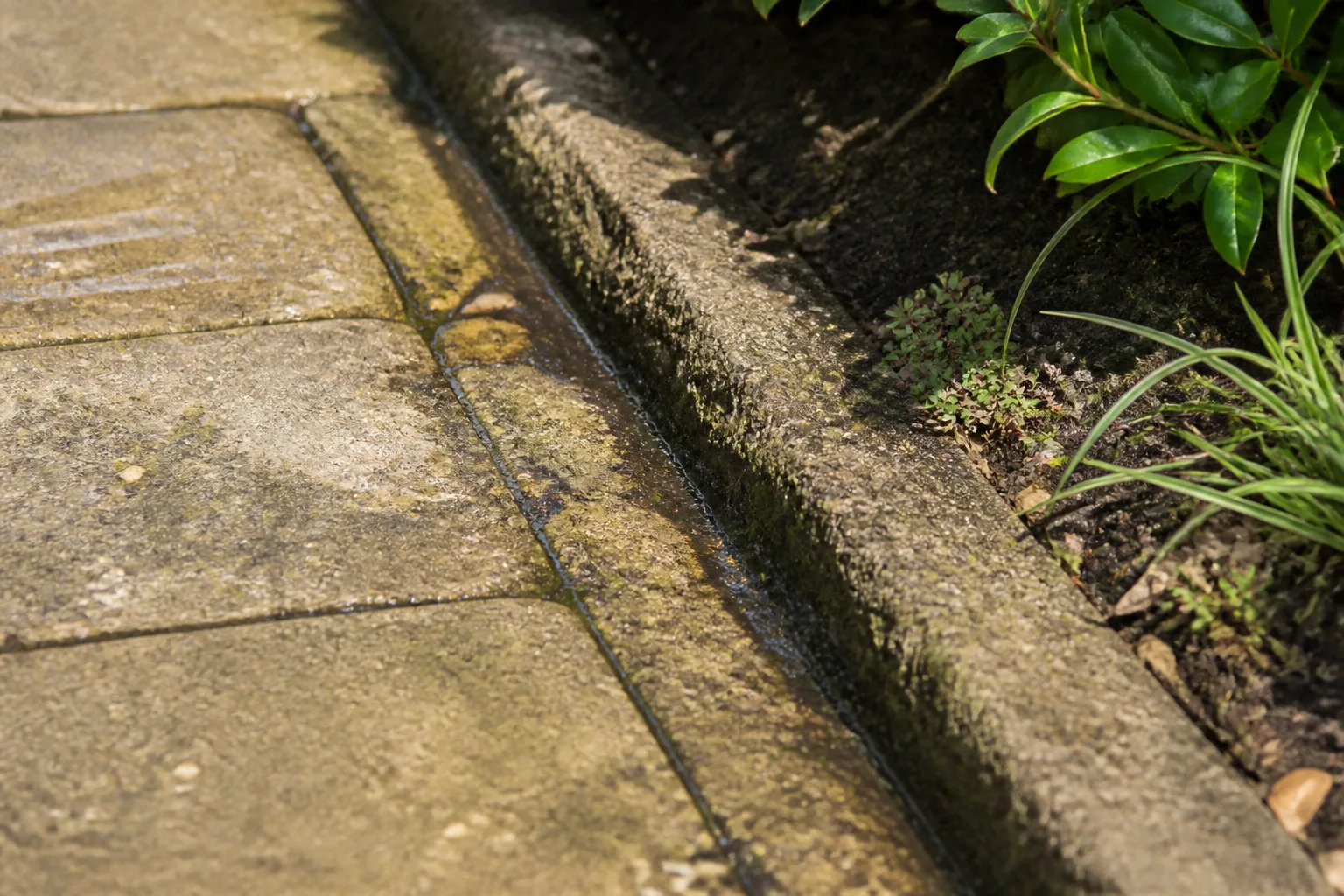
A garden that looks simple in a photograph can have awkward levels, persistent wet spots, difficult access or a surprising amount of shade. Point out what you have noticed, then ask what the landscaper needs to inspect before proposing work.
Useful prompts include drainage, soil, sun through the day, boundaries, underground services and the route materials would take into the garden. You are not expected to diagnose these yourself. The point is to surface constraints early, before everyone becomes attached to a layout that depends on the ground behaving differently.
What exactly will the proposal include?
Ask what you will receive after the meeting and how detailed it will be. Will the proposal cover preparation, removal, materials, planting, waste and aftercare, or are some of those separate decisions? If planting is included, ask whether the plant sizes and quantities will be specified. If another specialist may be needed, find out who coordinates that work.
Also ask what is assumed rather than written down. A phrase such as "prepare the area" can hide several different jobs. Clear scope makes proposals easier to understand and gives both sides something concrete to discuss when the garden reveals an unexpected condition.
What must be decided now, and what can wait?
Some choices affect everything that follows. The route through the garden, drainage and the position of a seating area are difficult to change once surfaces and beds are built around them. Pot colours and movable furniture can wait.
Ask the landscaper to separate structural decisions from flexible ones and to explain the order of work. If the project needs phases, each phase should leave the yard usable rather than creating a collection of temporary fixes. Our guide to cheap backyard makeover ideas uses the same principle on a smaller scale: finish one useful area before scattering effort across the whole plot.
How will the garden be maintained?
Describe the maintenance you will realistically do, not the version of yourself who weeds every Saturday. Ask how often the proposed planting needs attention, what becomes larger or messier over time and which jobs require specialist help.
This is also the moment to mention children, pets, allergies, storage and long periods away. Those are design constraints, not footnotes. A convincing garden has to survive ordinary life after the builders leave.
Bring a picture of your yard, not just a mood board
Reference gardens are useful for identifying a mood or material, but they belong to different plots. Bring recent photos of your own space from the viewpoints you use every day. Mark the things that must stay and the problem areas you discussed above.
If it helps you compare directions, Gardenly can apply a chosen garden style to one photo of your yard. The image model is instructed to keep the house, hardscape, camera position and lighting unchanged while redrawing the garden, though that instruction is not a guarantee. Browse the style gallery and treat any result as a picture to react to, not a plan to build from.
Take one or two directions to the meeting and explain what you like in each: more planting around the seat, a clearer route or a quieter palette. That gives the landscaper evidence about your priorities without asking them to copy someone else’s garden. End by agreeing on the next decision, who owns it and what information is still missing.