

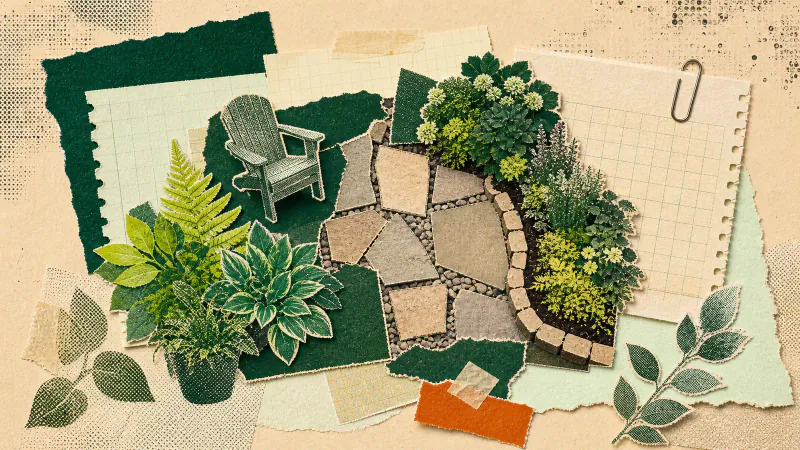
The best cheap backyard makeover ideas begin with deciding what not to change. Keep the parts that already work, fix the awkward route or neglected corner that causes the most trouble, and choose the order of work before buying materials. A smaller, finished improvement usually beats a yard full of half-started projects.
This is less glamorous than filling a cart with plants and lights. It also makes a limited budget go further, because you can see what you own, what can move and which jobs would only be undone by the next one.
Start with an ordinary day in the yard
Walk through the backyard as you normally use it. Open the door, carry something to the shed, pull out a chair, notice where you avoid stepping after rain. Look from the kitchen or living room too. That everyday view matters more than the angle that happens to look best in a photograph.
Write down the two things that make the yard harder to use, not a complete survey of every imperfection. Then name what already works. A sound path, a useful tree or a comfortable chair does not need replacing because the rest of the yard is changing. Existing features give the new plan its starting points.
Move what you own before buying more
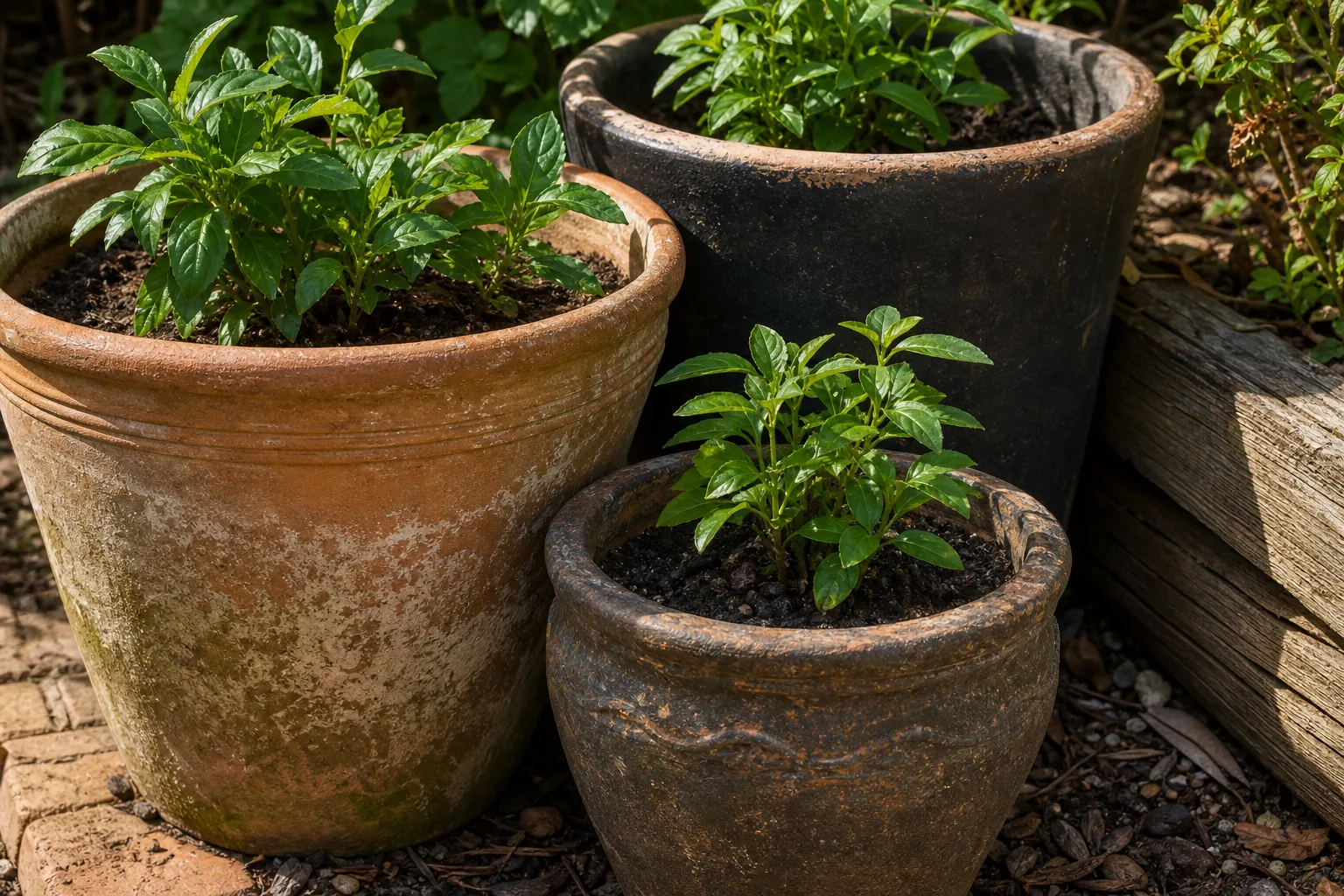
Backyards collect objects where they were unloaded rather than where they are useful. Try the table in another corner. Group loose pots instead of spreading them along every edge. Put the hose, tools and cushions where they can be reached without crossing the whole yard.
Live with those moves for a few days if you can. A layout that looks convincing for ten minutes may put a chair in the evening shade or turn the route to the bin into an obstacle course. Moving things twice is still cheaper than building around the wrong arrangement, and the pass may reveal you need less than expected: three containers that look unrelated can read as one planting area when they sit together.
Choose one area that will feel finished
A limited budget disappears when it is spread evenly over the whole yard. Choose one area that affects daily use or the main view from the house, and give it a clear job: somewhere to sit, a planted view, or a practical route. Asking it to do everything tends to produce more purchases and a muddier result.
Connect it to what is already there: repeating a material, pot colour or plant shape from elsewhere makes old and new pieces look deliberate.
Put jobs in an order that avoids doing them twice
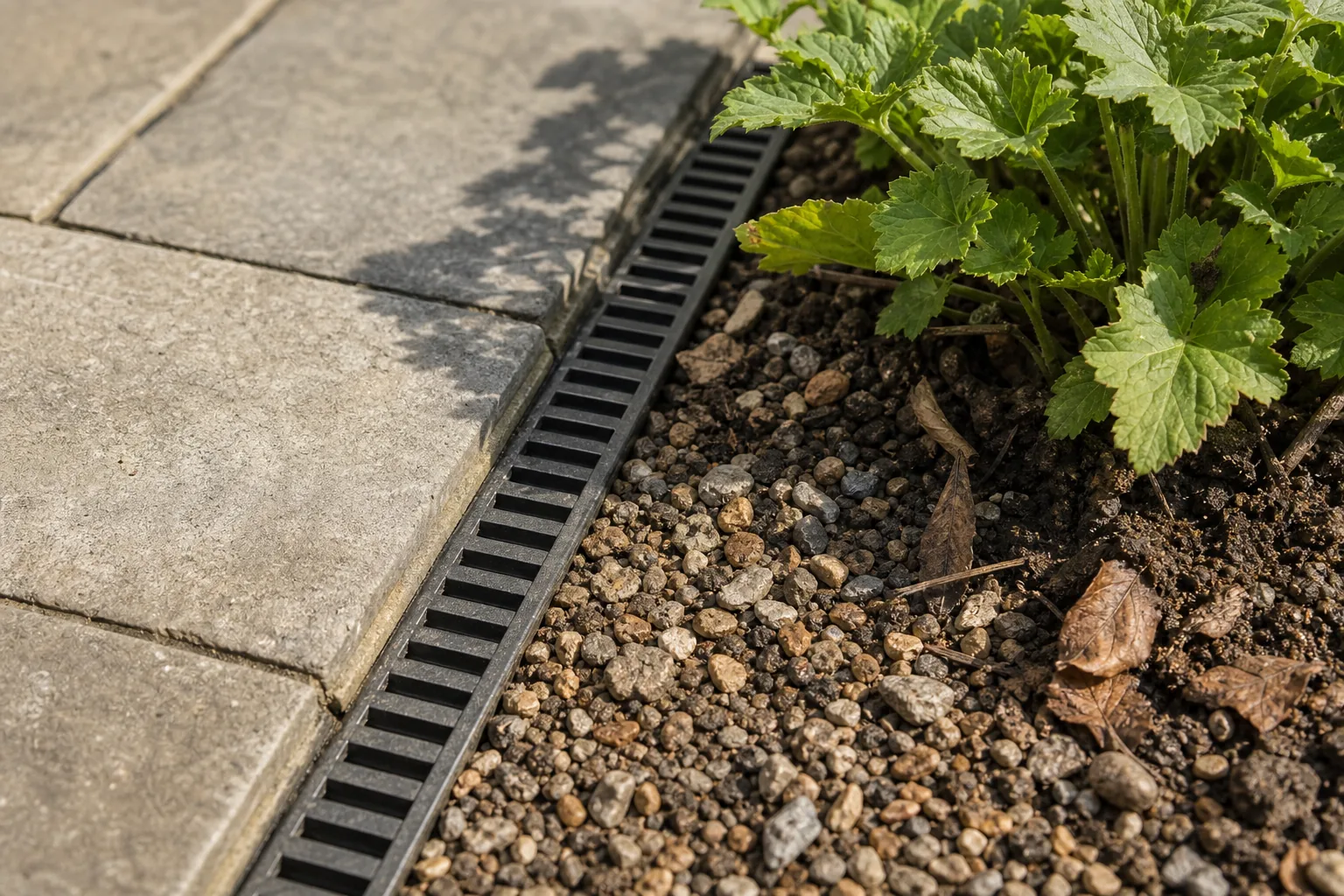
Some changes cover or disturb others. Deal with drainage or an unstable surface before adding furniture. Decide where a path belongs before planting its edges. Paint or repair a boundary before placing heavy containers against it. If a later job would require lifting, trampling or moving today's work, reverse the order.
Separate the plan into now and later. The later list is not a failed version of the makeover. It stops you buying temporary fixes for a part of the yard that will change again. A plain usable corner waits more gracefully than a cheap solution you already plan to remove.
Spend on the problem, not the decoration
Decorative pieces are tempting because they produce an immediate change. They cannot make a wobbly seat comfortable, create a clear route or give an unsuitable plant the right conditions.
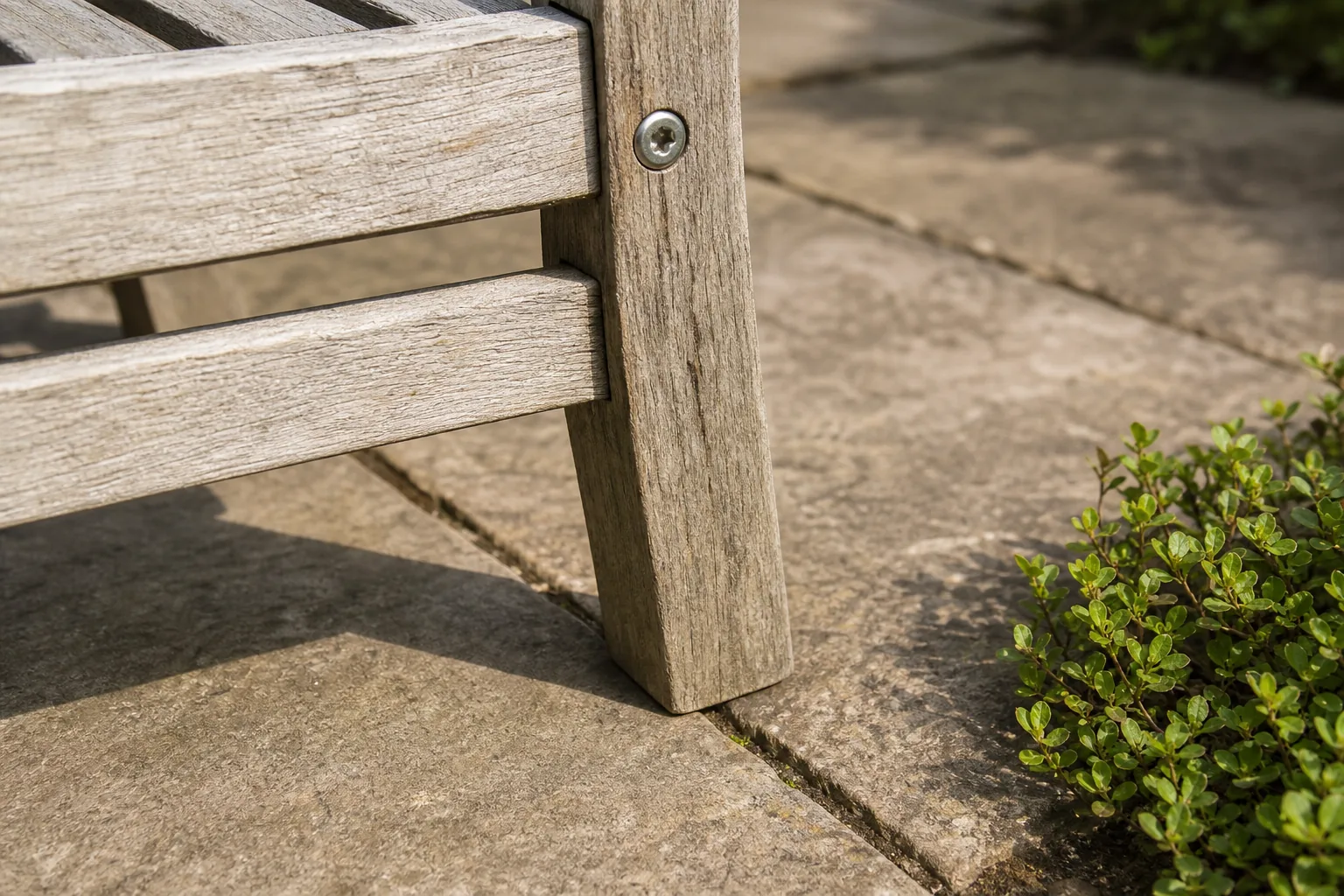
Put the money toward the thing that makes the chosen area work: a stable surface under the table, a container large enough for the plant, storage that gets tools out of the seating area. The test is simple. Would the area work noticeably worse without it? Decoration comes after the structure is settled.
The same applies to planting. Healthy plants are useful material, so move a container to a better group or let one successful planting set the cue for the rest of the bed. Before buying, check the plant's eventual size and whether the spot suits it, and ask a local nursery about your conditions rather than shopping by flower colour.
Preview the direction before committing
A measured sketch tells you whether objects fit. A visual preview helps you judge whether the mix of open space, planting and furniture feels right in your actual backyard.
Gardenly can apply one of its garden styles to a photo of a backyard, front garden or planted patio. The image model is instructed to keep the house, fences, paths, paving, camera position and lighting unchanged while redrawing planting, beds, lawn and garden furniture. That is an instruction, not a guarantee, and the result is not a planting plan or a drawing to build from.
Use the render as a picture to react to. You may like the denser planting but want to keep your existing path, or realize the proposed furniture fills the only useful open area. Browse the Gardenly style gallery, choose one direction and compare it with the original photo. If you need a better source image first, our guide to photographing your yard for an AI backyard generator explains where to stand.
Once the layout has survived a few ordinary days, write the shopping list in the order the work will happen, including the uninteresting parts such as fixings, soil or storage. Buy for the finished area, complete it, then stop. A backyard makeover does not need to happen in one weekend to feel coherent.