

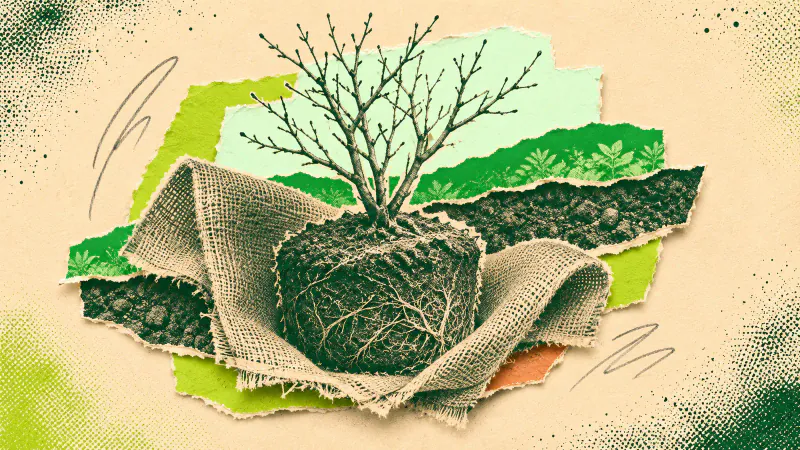
Start moving shrubs by checking whether the plant can reasonably be lifted with a useful ball of soil around its roots. For a small, young deciduous ornamental shrub, prepare the destination first, lift during suitable dormancy, protect the root ball and replant promptly at its previous depth.
This is a short move within the same garden. Large established specimens, evergreens and plants with specialist requirements need separate advice. Moving always carries a risk of losing the plant. If a shrub can stay where it is, keep that option open while you assess the work.
Decide whether this shrub should move
Find its name and check its growing requirements. Record how long it has occupied the spot and why you want to move it. A branch brushing the path may call for a different response from a shrub growing in unsuitable ground.
The RHS moving guide warns that older plants cope less well and that some species resent root disturbance. Ask a nursery or local horticultural adviser about the identified plant before digging. Mature specimens may require preparation well ahead of the move and professional equipment.
Limit this job to something you can handle with its soil attached. A small crown does not guarantee a light root ball. Make room beside the plant to put down the tools, and trace the whole carrying route. If moving it would mean dragging it over steps or squeezing through another shrub, resolve that first.
Check dormancy and prepare the destination
Iowa State Extension identifies early spring before growth and autumn after leaf drop as suitable periods for deciduous shrubs. Check your species and regional guidance. Wait if the ground is frozen, waterlogged or otherwise unworkable; an autumn date alone does not make the job suitable.
Compare the proposed spot with the plant's needs. The University of Minnesota site guide covers light, soil and drainage. Check eventual branch spread against the path and neighbouring plants. Moving a shrub into another cramped gap simply postpones the same decision.
Prepare a broad receiving hole before lifting, keeping the excavated soil nearby. Its final width and depth must match the actual root ball. Set damp hessian and your watering equipment beside the route. Photograph the old ground line at the woody base so you have a reference when replanting.
Lift with the soil supported
Work with moist soil. If it is dry, water ahead of the move and let excess water drain. Gently gather spreading branches with soft twine where needed, leaving room to work around the base.
Dig around the plant, keeping as much useful root ball intact as you can manage. Work underneath gradually. Stop if major roots, buried services or the weight make this a larger job than expected. Do not compensate by hacking the ball down until it becomes portable.
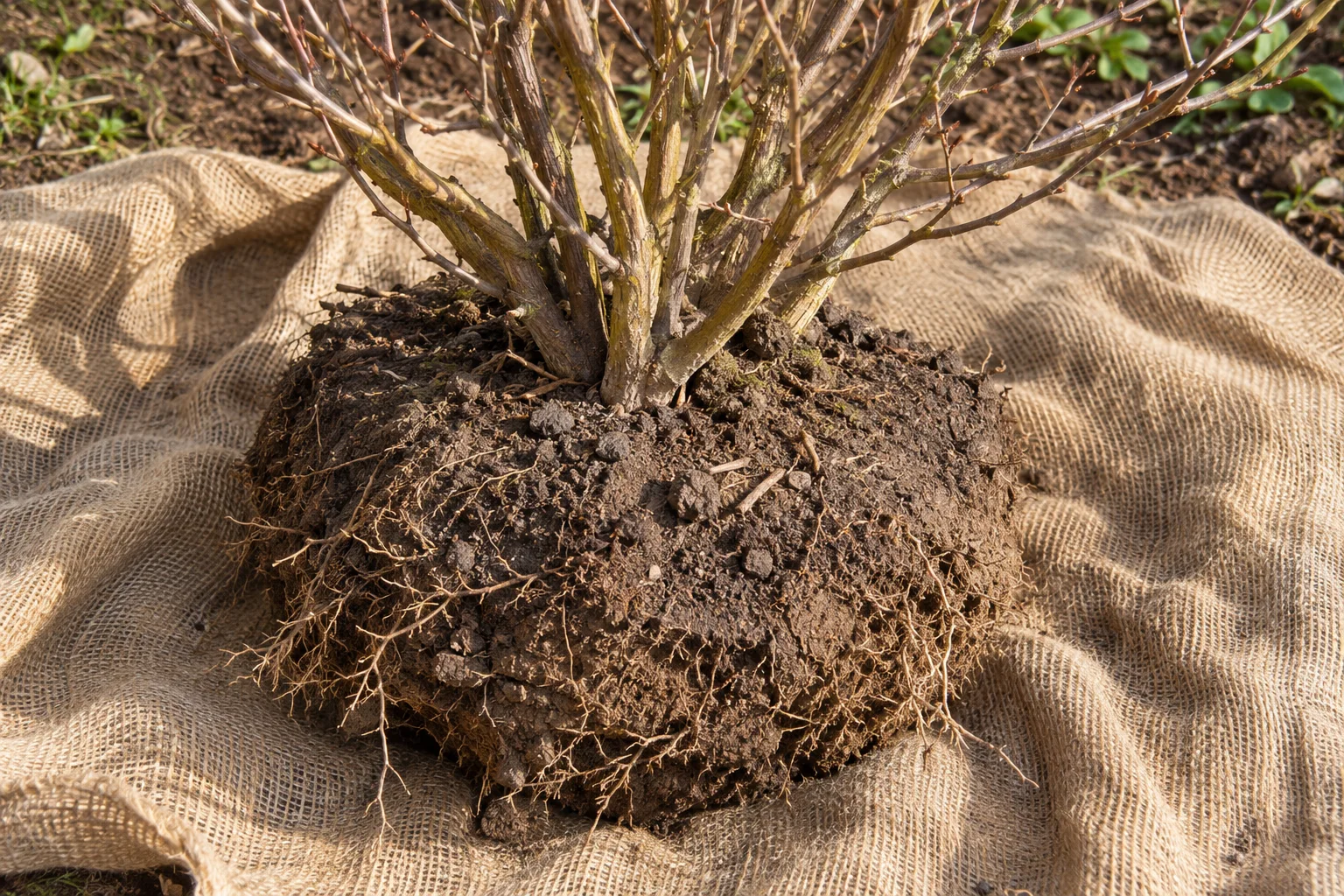
Support the whole ball on the hessian, cover it against drying and move it promptly. Lift by the supported root ball. Pulling on the stems can damage the plant and break soil away from its roots. Keep the prepared hole within reach of the person helping you, with tools out of the way.
Replant and check the level
Lower the shrub into the receiving hole and check its old ground line against the surrounding soil. Adjust the hole before backfilling. A straight handle laid across the opening helps you see the level from either side.
Once the root ball is safely supported in the hole, slide out the temporary transport hessian carefully without breaking the ball. Leave no cloth gathered around the stems. Return the excavated soil around the root ball, firm gently and water thoroughly. Our shrub planting guide covers the planting stage for a purchased container shrub; here, preserving the lifted ball through the move is the extra work.
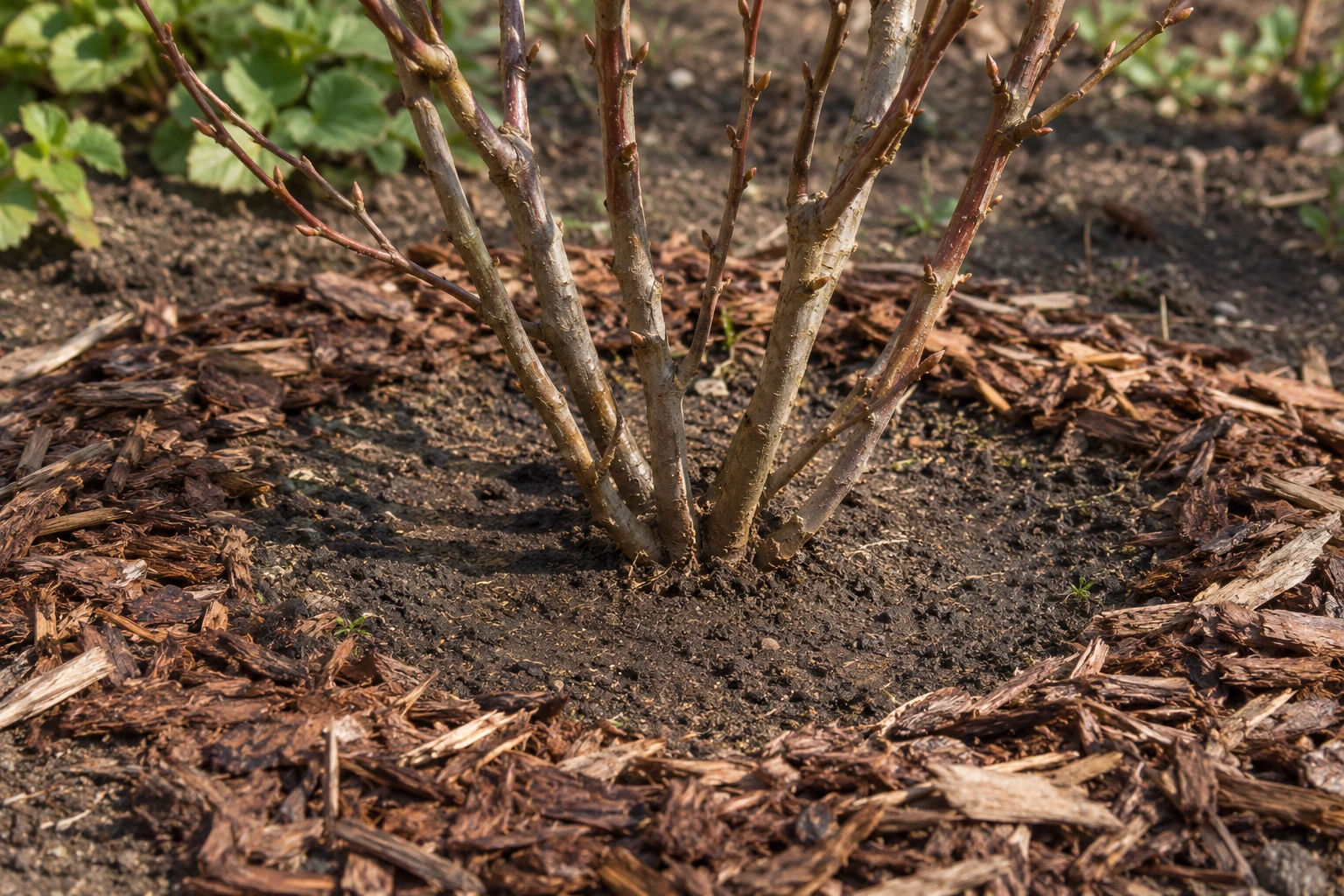
Keep mulch clear of the stems. The garden mulch guide explains how to check an existing layer before adding more.
Follow the roots through recovery
Check moisture within the root ball and the nearby soil. Maryland Extension's watering advice stresses adapting watering to soil, weather and plant needs. Water when required, allowing it to soak in; persistent puddles need investigation. Note the move date and keep checking through the following growing season, including dry spells.
For the surrounding border, Gardenly can explore a visual direction from a photograph. Use the actual plant identity and site checks to decide whether the move is feasible. An image cannot assess root condition or the weight you will have to lift.
