

A useful landscaping quote example describes one job clearly enough that the homeowner and landscaper can picture the same work. It names what will be removed, what will stay, how the ground will be prepared, which materials are included and how changes will be approved. The total belongs at the end of that description, not in place of it.
Use the structure below as a prompt for a real quote, not as a contract template. The details must come from the garden, the agreed brief and the landscaper doing the work. If a condition cannot be checked before work starts, label the assumption instead of writing around it.
Start with the job and the existing site
Open with the project address, the areas included and a short description of the intended result. A useful first line is specific: "Remove the existing patio and replace it with a stable seating surface for four, while keeping the boundary wall and established tree." It says more than "new garden patio" without dictating a construction method.
Then record the starting conditions that affect the work. Note access width, steps, surfaces that need protection, known drains and anything that must remain untouched. Attach dated site photos and a simple marked plan. If the quote relies on a measurement or inspection by someone else, say which one.
This section should also identify who handles permissions, specialist checks or neighbour access when any of those apply. Do not bury them under a generic phrase such as "all necessary preparation."
Write the work in the order it will happen
A reader should be able to follow the site from its current state to the finished job. For a paved seating area, the scope might use this order:
- protect the route through the property and the features that stay;
- lift and remove the named existing surface;
- excavate the stated area to the required depth after levels are checked;
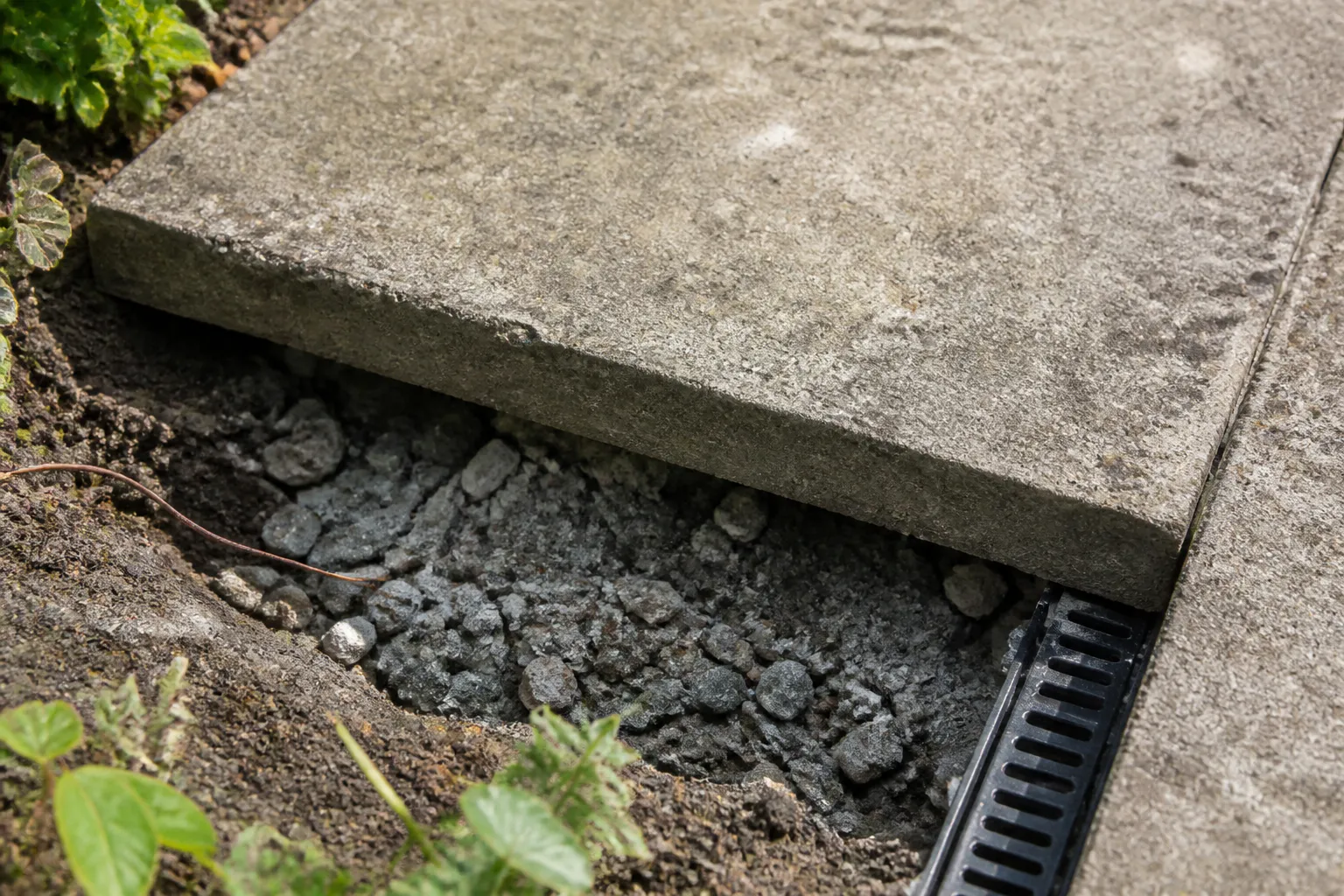
- install the specified base, drainage detail and edge restraint;
- lay the chosen finish, complete joints and clear the work area.
That list is only a shape. A landscaper must replace each broad phrase with the method and quantities suited to the site. The point is to expose gaps. If the quote jumps from removing old paving to laying new paving, ask what happens in between and where the removed material goes.
For planting, use the same sequence: soil preparation, supply, planting, support where needed, watering at installation and initial aftercare. Keep design work separate from construction if they are separate services.
Specify materials, allowances and exclusions
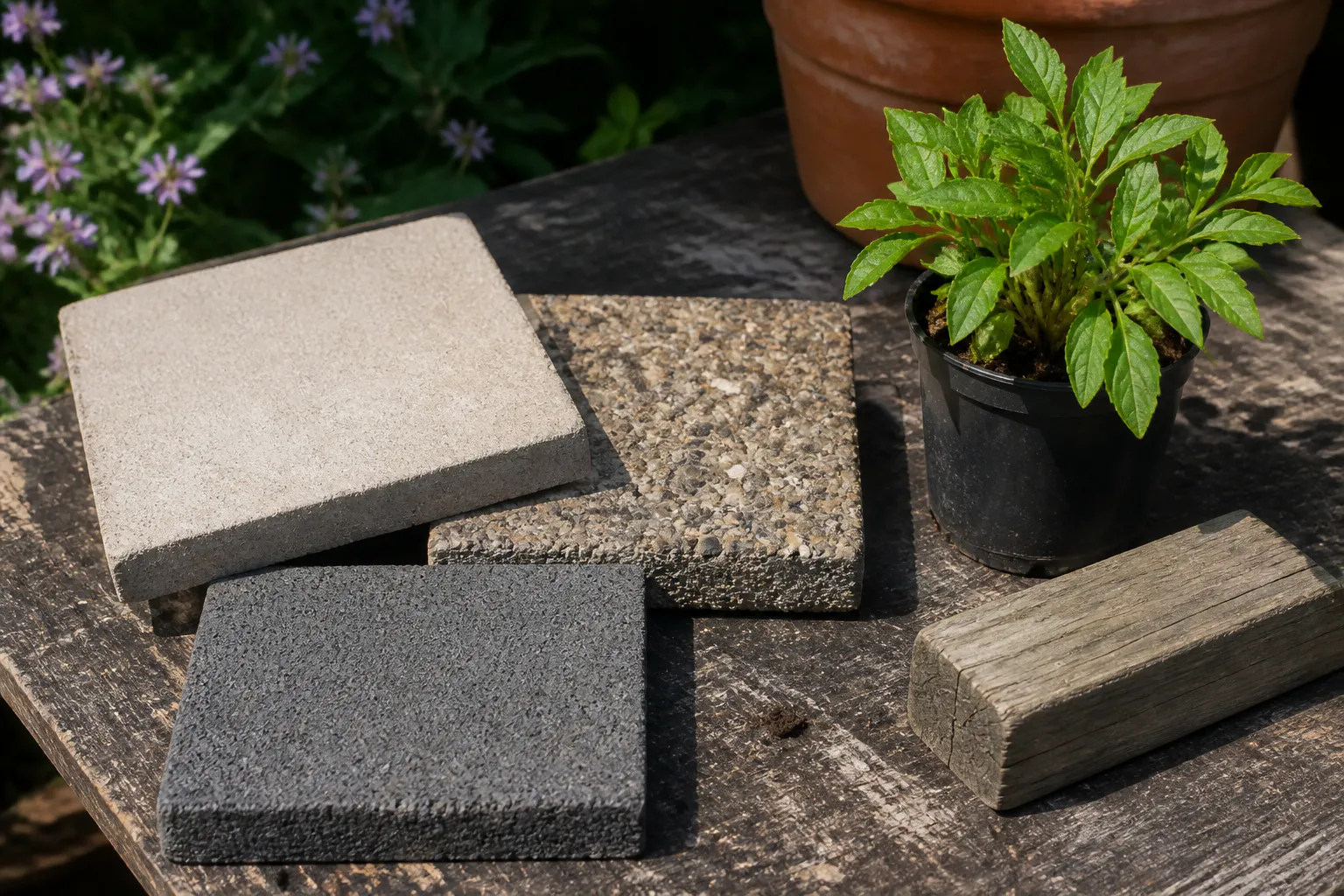
"Paving," "timber" and "plants" are not specifications. Record the product or material type, finish, dimensions and quantity where those choices are known. If the final item has not been selected, give the allowance a clear boundary: what it covers, what it excludes and how a different choice changes the quote.
List exclusions together rather than making the reader infer them. The homeowner might handle painting, planting or waste removal, but that division needs to be visible. Also state whether delivery, equipment, disposal and making good outside the work area are included.
If you are reviewing more than one document, use our guide to comparing a landscaper quote. This example solves a different problem: making one proposed scope readable before anyone tries to compare totals.
Add access, timing and a change process
Record the expected sequence and any decisions that must be made before a stage begins. Include site access, material storage, working constraints and how the garden will be left at the end of each day. Exact dates may depend on availability or weather, but responsibilities should not be vague.
Changes need a small written process. State who can approve added or reduced work, how it will be described and when its effect on timing and the total will be confirmed. An unexpected drain or unsound base should trigger a decision, not a silent substitution.
Before requesting the document, the homeowner can use these questions to ask a landscaper to settle the brief and site checks. The finished quote should answer those conversations in writing.
Attach visual direction without treating it as a plan
Reference photos can explain a material mood or planting density. A Gardenly render can also place one visual direction over a photo of the actual garden. The image model is instructed to leave the house, hardscape, camera position and lighting unchanged, but that instruction is not a guarantee.
Attach the original photo beside one or two chosen renders and mark what the images are meant to communicate. Perhaps it is the balance of planting and open ground, or the feel of a material palette. The render is not a measured drawing, construction detail or plant list. Browse the Gardenly style gallery for a direction, then ask the landscaper to turn the agreed brief into a site-specific scope.