


A useful landscaping budget pairs your maximum amount with a short brief. The brief tells a landscaper what must stay, what must work, which changes matter most and what can wait. Write it before asking for quotes. Each proposal will then solve the same problem, and you can see the trade-off behind any saving.
Do not start by assigning an amount to every corner of the garden. Start with the decisions that control the work. A path that must remain accessible, a drainage problem and a wish for a better evening seat do not have the same weight. Your brief should make those differences visible.
Fix the scope before discussing finishes
Draw a simple boundary around the project. Name the areas that will change and the features that will stay. Include practical limits such as access through the house, a tree that must remain, a fence that belongs to a neighbour or a date when the garden needs to be usable.
Then describe the result in ordinary terms. "A dry route from the back door to the shed" is more useful than "new paving." "A seat for four with room to pass behind it" explains the job better than "new patio." The first version leaves room for a professional to suggest a suitable method without losing the outcome you need.
If you are still deciding which existing parts are sound, begin with the cheap backyard makeover ideas guide. It helps separate useful features from changes that only feel urgent because they look dated.
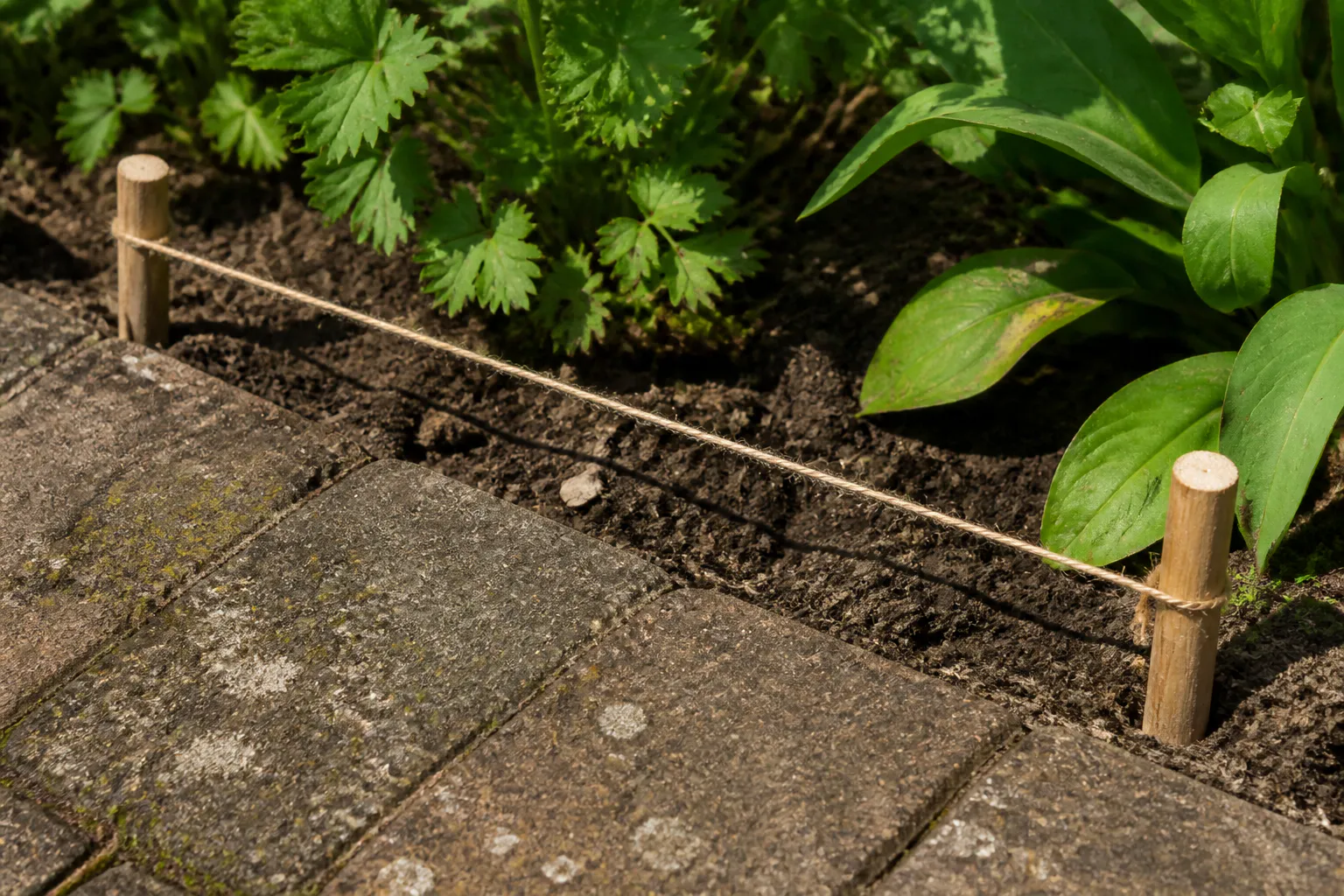
Separate necessary work from visible choices
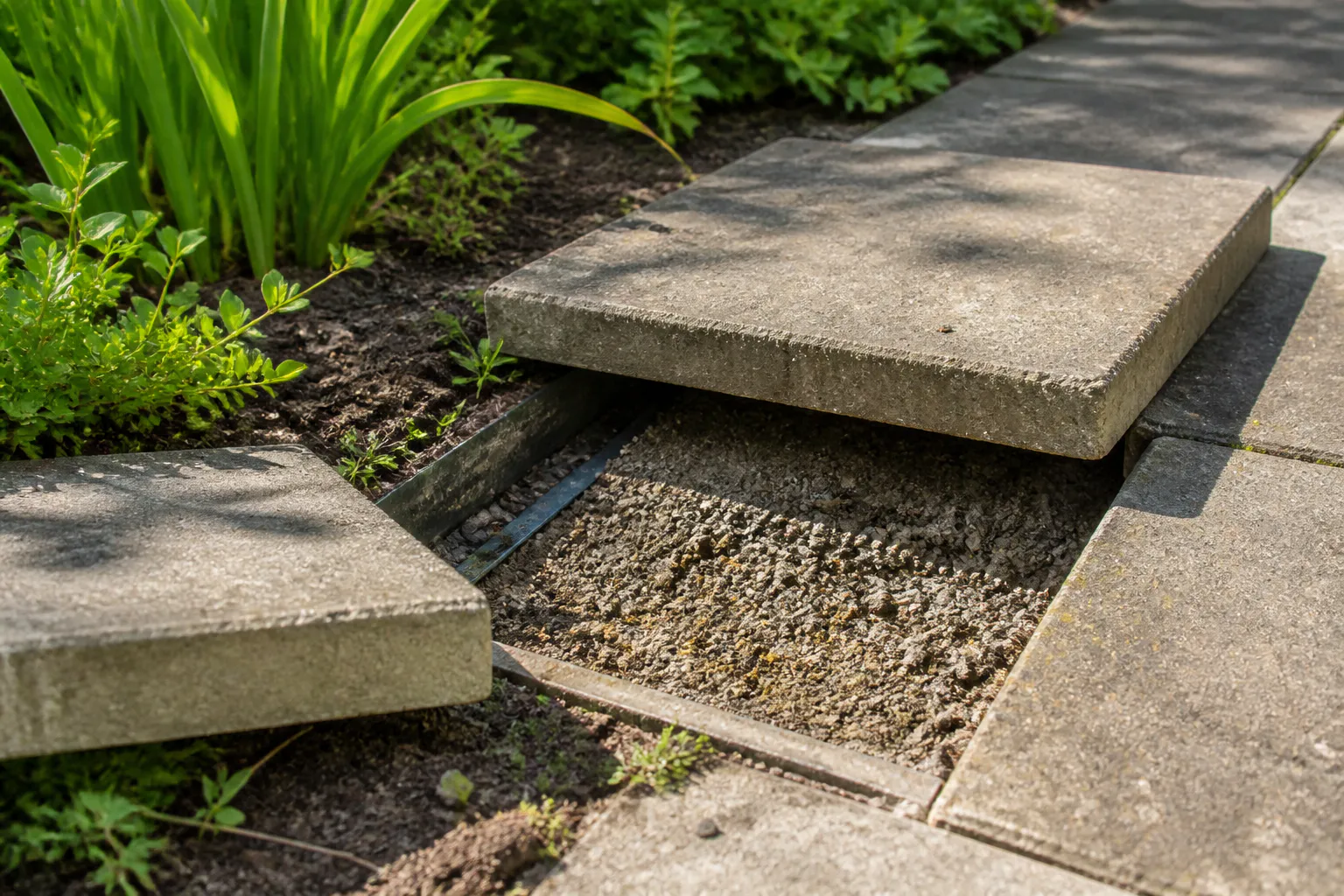
Put site and construction needs in one list: drainage, unstable surfaces, retaining edges, access, preparation and anything that affects safety or durability. These are not the exciting lines in a brief, but decoration cannot compensate for work below the surface.
Put visible choices in another list: paving finish, furniture, planting mood, edging colour and decorative details. Mark which choices are already fixed and which can change. A landscaper can then suggest an alternative finish without quietly removing the preparation that makes it last.
Ask for uncertain conditions to be named. If the state of a base or underground drain cannot be known until work starts, the brief should request an assumption and a process for handling what is found. Hiding uncertainty does not make it disappear; it only delays the conversation.
Rank must-haves, preferences and later work
Give every item one label:
- Must-have: the project fails its main purpose without it.
- Preference: important, but the material or method can change.
- Later: useful work that can form a separate phase without damaging the first one.
Keep the must-have list short. If every idea is essential, the label does no work. A clear ranking lets a landscaper show where a different material, smaller area or later phase changes the proposal while protecting the main result.
Phasing needs one extra check: later work must not require lifting or damaging the first phase. Put drainage before finished surfaces, permanent routes before their planting edges and boundary repairs before heavy containers block access. A cheaper first phase is not useful if it has to be built twice.
Use pictures to settle direction, not specifications
Reference images can clarify words such as calm, dense or informal. Choose a few that point in the same direction. Add a note about what you mean, perhaps the repeated grasses, the warm paving tone or the amount of open ground. A folder of unrelated gardens makes the brief harder to read.
Gardenly can place a style over a photo of your own garden, which can help you compare the balance of planting, open space and furniture. The model is instructed to leave the house, hardscape, camera and lighting unchanged, but this is an instruction rather than a guarantee. Treat the render as a picture to discuss, not as a measured plan, construction detail or plant list. The style gallery is a practical place to test one direction.
Ask for one base proposal and one clear alternative
Send the same brief to each landscaper. Ask for a base proposal that meets the must-haves, then one alternative that shows a meaningful trade-off. It could move part of the work to a second phase, use a different finish or reduce the area of work. Avoid asking for a vague "cheaper version." You need to know exactly what changes and what remains protected.
When quotes arrive, compare them against the brief before comparing their totals. Check that the scope, preparation, materials, exclusions and change process match. Our guide to reading a landscaper quote gives you a simple way to put different documents into the same comparison.
Keep the final brief with the quote you accept. It records the purpose behind each choice. If a material becomes unavailable or a site condition forces a change, you can use that record to choose a substitute without losing the project's main purpose.