

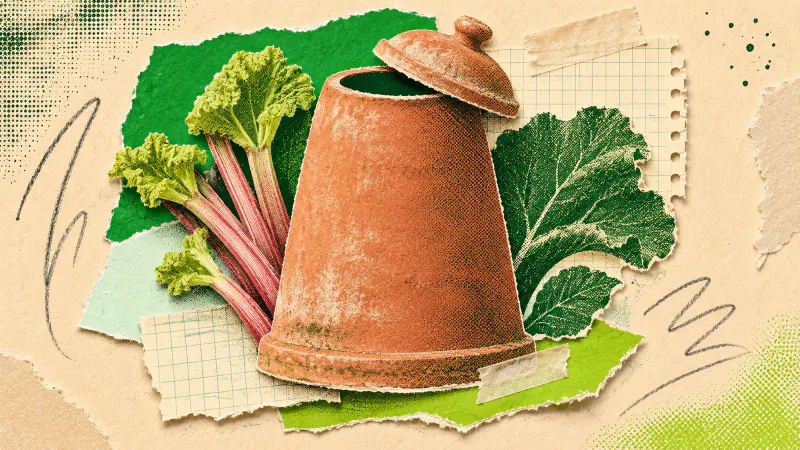
For an early crop, try forcing rhubarb outdoors under a tall cover that blocks light. Set it over one established culinary rhubarb plant in midwinter after a spell of winter cold. The crown stays in the ground, and the darkness gives you tender, pale stalks ahead of your usual harvest. A deep, opaque bucket works if it fits over the whole plant.
Plan to pick the early flush and leave that crown unpicked for the rest of the year. If you have several clumps, cover just one and leave the others to grow for your usual spring harvest. Royal Horticultural Society guide to growing rhubarb
Pick a plant that can spare an early harvest
Look back at how the plant grew last season. Choose a vigorous clump that has been in the ground for at least three years. Give a recent transplant or division time to settle. A plant that produced only a few weak stalks last year can also wait. The new growth draws on what the plant stored in its roots the previous season. Royal Horticultural Society guide to forcing rhubarb
Find the crown, the part at soil level where the buds emerge. Use the local season as your guide. In a mild winter the buds may start to swell while the rest of the bed still looks empty. In a colder garden the buds may swell later. Wait until you can reach the plant and seat the cover securely. If you have been planning a vegetable bed, mark the spot on your plan before the foliage disappears.
Fit a cover that keeps the crown dark
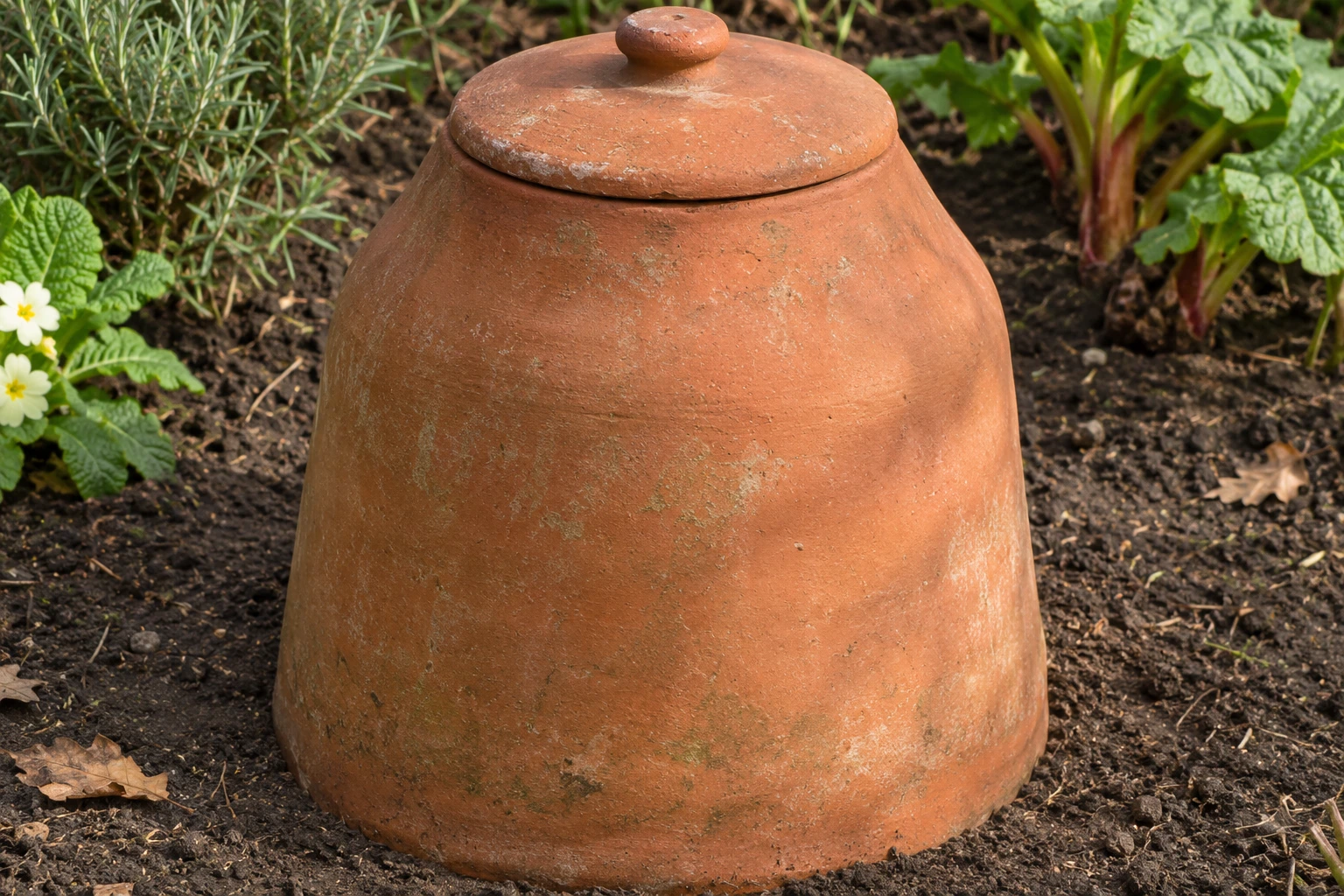
Check the width at the base first. The opening needs to fit over all the growing points without crushing any shoots. Allow at least 12 inches of clear height for the stalks. A terracotta forcing pot with a removable lid makes it easy to look inside. An opaque bucket or bin can do the same job. Hold it up to daylight first to spot drainage holes or thin plastic that lets light through.
Move stray twigs and clumps of loose mulch out of the way so the rim sits evenly on the ground. Set the cover down and check for gaps around the bottom. Peg down a light plastic cover if it might blow over. Make sure you can lift it to check the plant without stepping on the crown. Royal Horticultural Society guide to forcing rhubarb
Check the stalks and pick the first flush
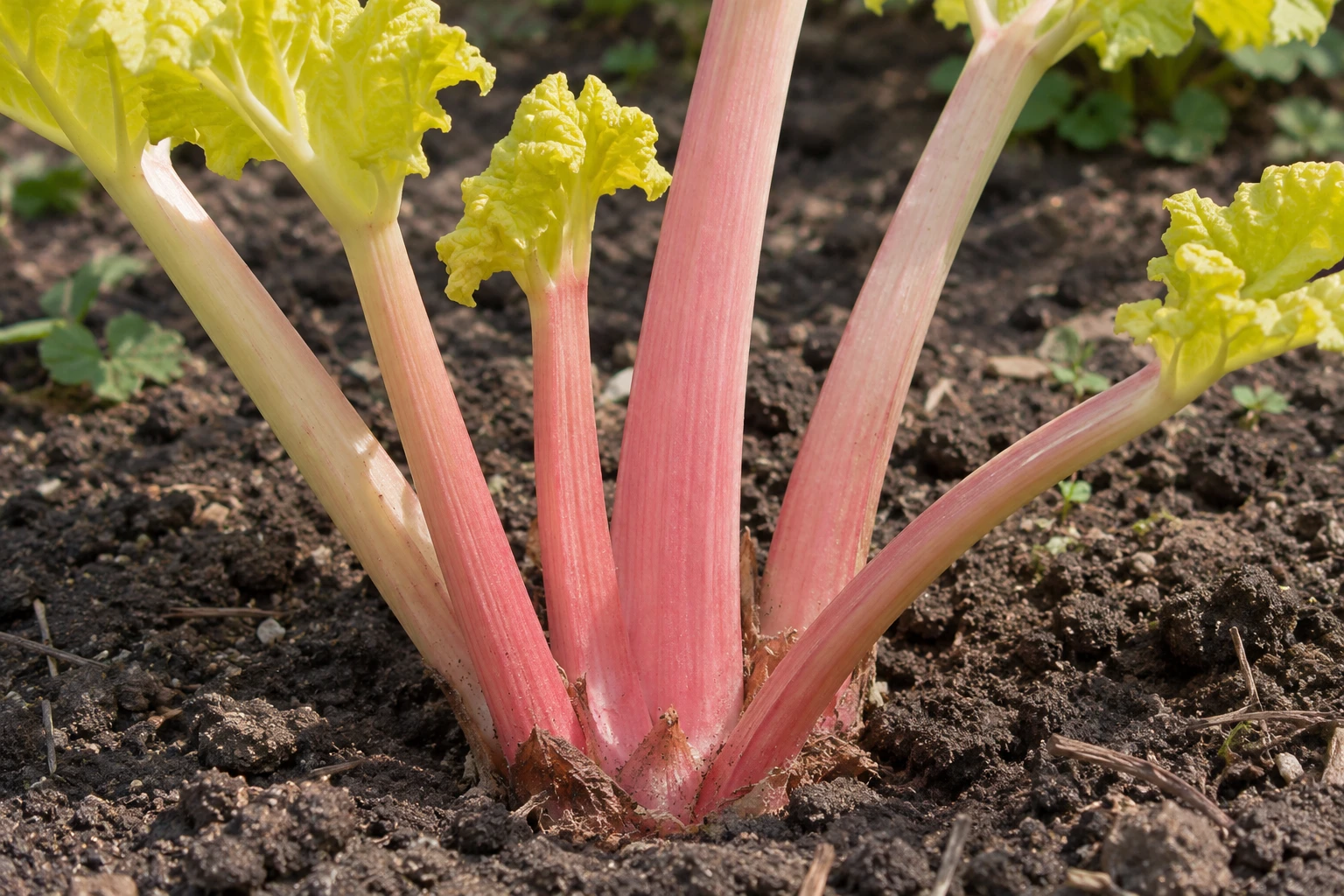
Lift the lid or cover briefly every couple of weeks and put it back after you check. Once the stalks appear, watch them more often in mild weather. The first stalks are often ready four to eight weeks after you put the cover on. Note the date you set the pot down, then judge the crop by the stalks. About 12 inches is a useful guide. The color varies with variety, so there is no need to wait for a deep red. Royal Horticultural Society harvesting guide
Hold each stalk near its base and ease it away with a gentle twist and pull. Trim off and discard the leaves. The leaves are toxic. Keep only firm stalks for the kitchen and discard any that go limp after a frost. Oregon State University Extension on harvesting rhubarb
Take the pot off and let the plant recover
Remove the cover for good after the first flush. Let the new leaves grow in daylight so the plant can replenish its reserves. Leave any further stalks on that crown until next year. Skip forcing it the following winter as well. If you have two or more clumps, write down which one you covered so you can leave it to recover. Royal Horticultural Society guide to growing rhubarb
When you plan changes around the bed, leave room to set the pot down and lift it from the path. You can use a garden photo in Gardenly to compare how nearby planting might look.
