

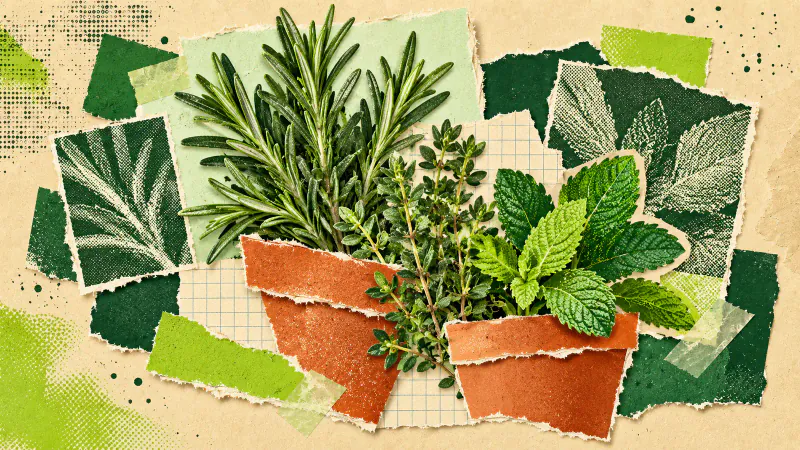
The most useful herb garden ideas start with your cooking. Choose a few herbs you regularly use, give each the conditions it needs and put them somewhere convenient to pick. A collection of matching pots can look tidy while hiding very different watering needs.
Begin with the meals you made last week. If parsley went into several dishes and you only buy rosemary occasionally, let that guide your first purchases. You can add an unfamiliar herb later. The aim is to have plants you will pick from, rather than a complete collection of labels.
Choose a small cooking collection
Write a dish beside each herb on your list. This gives every plant a reason to be there and makes it easier to leave something in the nursery. Someone who uses handfuls of parsley will want a different collection from someone who mainly wants a sprig for roasted vegetables.
Keep the original plant label, including its botanical name. Similar-looking leaves in an inspiration picture are not a shopping list. Buy plants sold as the culinary herbs you intend to use, and ask the supplier when the name or intended use is unclear.
Decide which herbs deserve a lasting place and which you expect to replace. The RHS herb guide distinguishes annuals such as basil and coriander from perennials such as chives and thyme; parsley is biennial. That difference belongs in your expectations before anything goes into the ground. One fading plant does not mean the entire collection needs replacing.
Separate herbs with different care needs
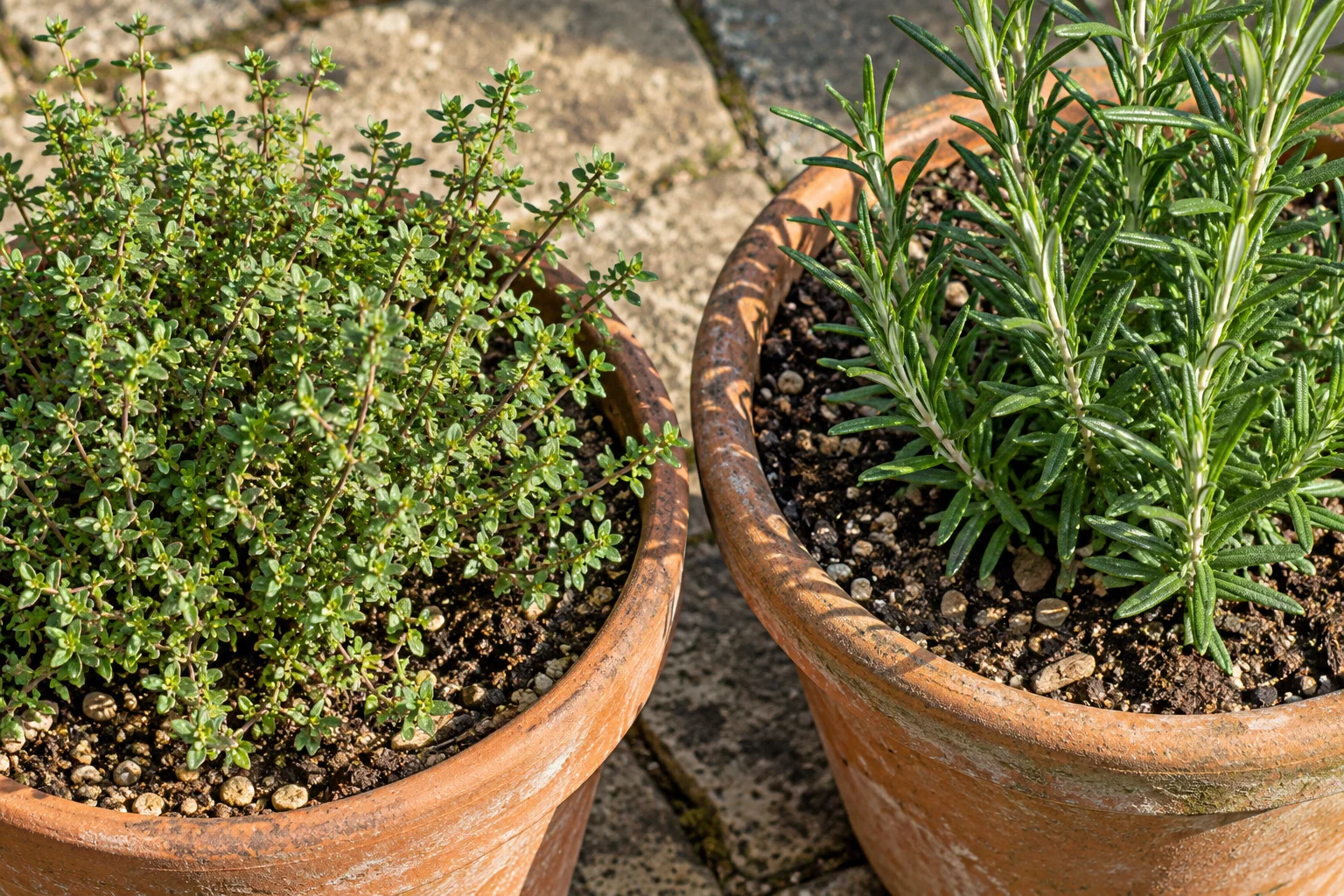
Thyme, rosemary and sage suit a sunny position with good drainage. Chives and mint need more moisture than that group. The RHS guide to Mediterranean herbs makes this distinction, so resist putting every herb into one shared trough just because it fits.
A useful arrangement might be a sunny group of woody herbs, with the leafier herbs cared for separately. You do not need all of them on day one. Check the label against the conditions in the actual growing spot, then choose the plants that fit.
Before adding water, check the individual plant and its growing medium. Keep a short care note with the labels rather than applying one routine to the whole collection. For pot shape, drainage holes and growing mix, use the separate container gardening guide.
Give mint its own place
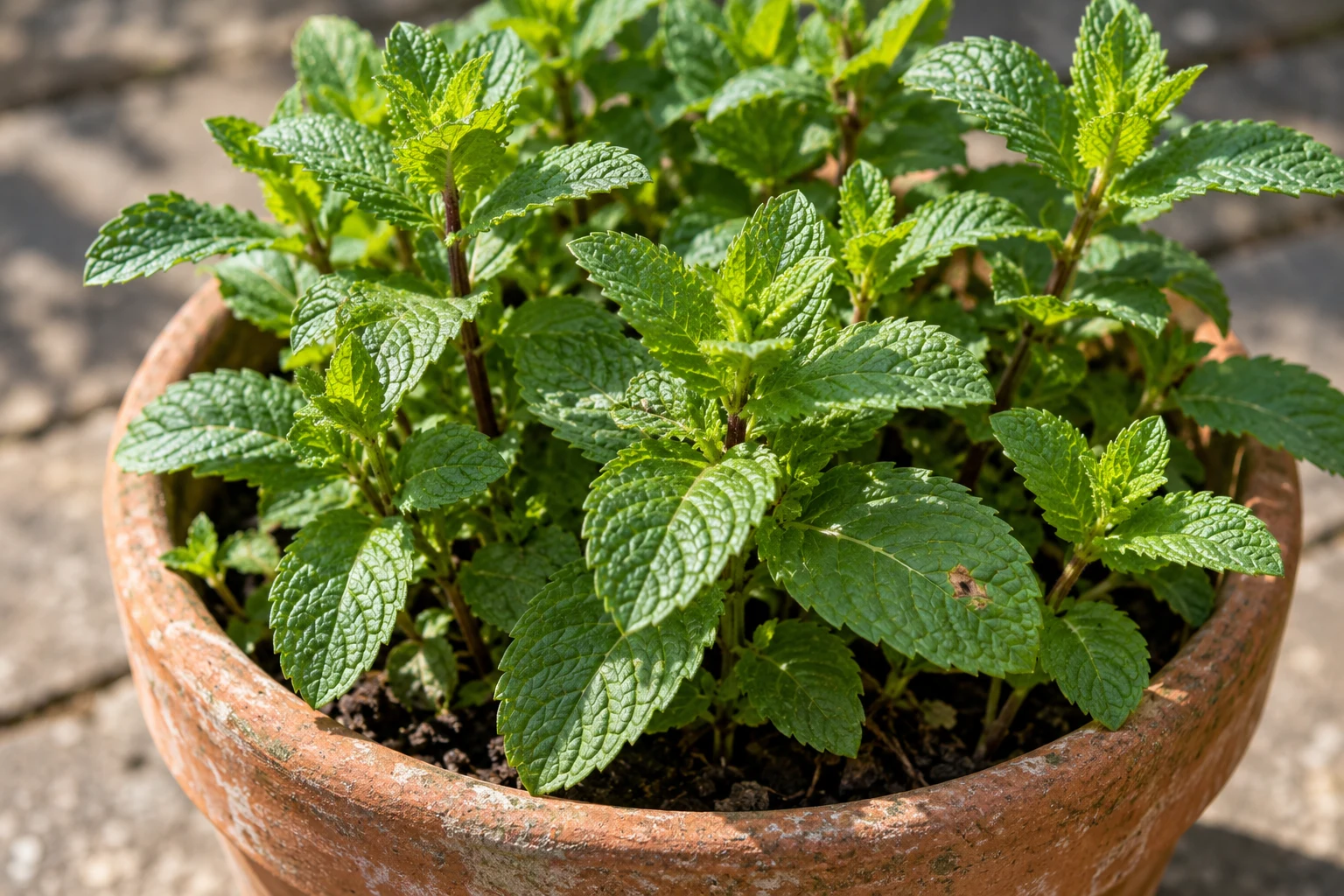
Mint is a useful choice if you enjoy its flavour, but it needs its own pot. Its roots spread vigorously among neighbouring plants in a shared container, as the RHS mint guide explains. An individual pot also makes its different watering needs easier to handle.
Leave that pot where you can inspect it. Tucking it behind the rest may look neat from the door, but makes a quick check less likely. Keep the label with it, especially if you try more than one mint and want to remember which flavour you preferred.
Pick according to the plant's growth
Start with small harvests from plants that have enough foliage to keep growing. Iowa State's herb guide recommends lighter harvesting of perennial herbs, taking no more than about a third of their top growth at once, or only leafy tips for some species. Follow the particular herb's guidance rather than cutting every plant to the same height.
If a recipe needs more than a young plant can supply, use bought herbs for the rest. Keep a note of which plants you regularly run short of. That is a better reason to add another specimen than an empty space on the shelf.
Keep the useful collection in view
Try the picking trip while preparing a meal. Can you reach the herb without moving other pots? Is there somewhere to put the scissors? Adjust the arrangement around that ordinary visit, keeping the chosen growing conditions in mind.
Gardenly can help you explore the broad appearance of planting around the herbs using a photo and a chosen style. A render cannot confirm plant identity, edibility or care requirements. Keep the named herb list and the real labels beside any image you use, and check that the plants you cook with remain easy to reach.